
PESO Certification
PESO licensing for petroleum, explosives, compressed gas cylinders and pressure vessels — safety approvals and site inspection support from Chanakya QMS.
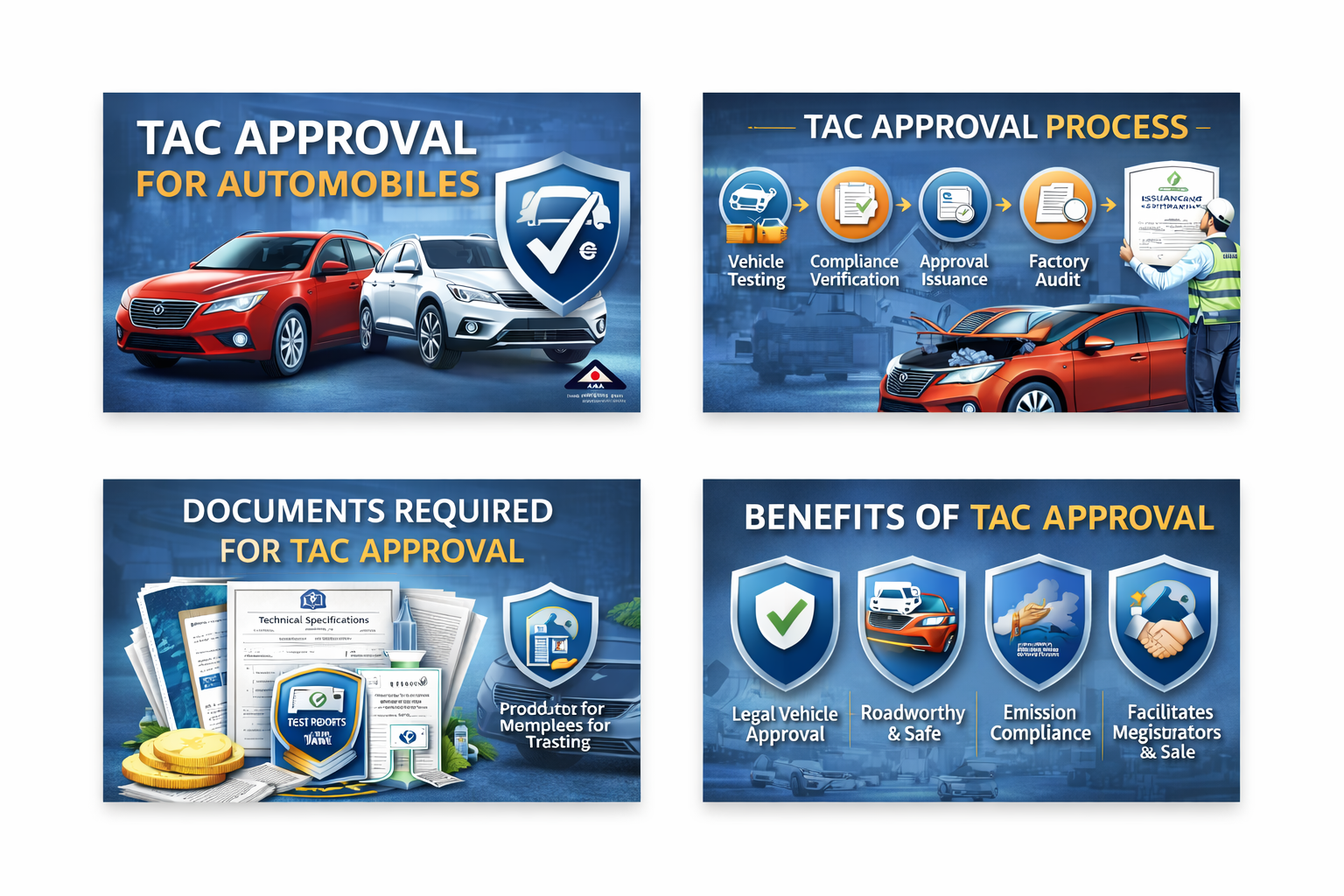
PESO Certification is the safety licence required to manufacture, store, transport, or handle petroleum products, explosives, compressed gases, and pressure vessels in India. It's issued by the Petroleum and Explosives Safety Organisation (PESO), under the Ministry of Commerce and Industry, and operating without it in a regulated category isn't just a compliance gap — it's a genuine safety and legal exposure, since PESO exists specifically because these materials can cause serious accidents if handled incorrectly.
Unlike BIS product certification, PESO licensing is as much about the site and process as it is about the product itself. A gas cylinder manufacturer doesn't just need the cylinder design approved — PESO inspects the actual manufacturing facility, storage arrangements, and safety systems before granting a licence.
Which Businesses Need PESO Certification
The categories we handle most often are: LPG and compressed gas cylinder manufacturers, petroleum storage and retail outlets, pressure vessel manufacturers, explosives manufacturers and licensed dealers, and companies importing or distributing any of the above. If your product falls under the Static and Mobile Pressure Vessels (SMPV) Rules, the Gas Cylinder Rules, or the Explosives Act, PESO licensing applies — and which specific rule applies changes what the application actually requires.
Eligibility — Who Can Apply
Any registered business manufacturing, storing, or handling petroleum, explosives, or pressure equipment can apply, provided the facility meets PESO's site safety requirements — adequate distance from residential areas, fire safety infrastructure, and trained personnel, depending on the category. PESO won't licence a facility that doesn't physically meet these baseline safety conditions, so a site assessment early on saves a rejected application later.
PESO Licensing Process — Step by Step
1. Identify the applicable rule and category
We confirm whether your product/activity falls under the Gas Cylinder Rules, SMPV Rules, Petroleum Rules, or Explosives Rules — each has its own application format and technical requirements.
2. Product design approval (where applicable)
For manufactured equipment like cylinders or pressure vessels, the design itself needs approval before production, often requiring test reports from a recognised lab.
3. Prepare technical and safety documentation
Safety drawings, process flow, storage layout, and fire-safety provisions get compiled into the application package.
4. Submit the application to PESO
The application is filed with the relevant PESO regional office along with technical documents and fees.
5. Factory or site inspection
A PESO officer visits the facility to verify safety infrastructure, storage conditions, and compliance with the applicable rules — this is usually the step that determines how quickly the licence is granted.
6. Respond to inspection observations
Any gaps flagged during inspection (missing fire extinguishers, inadequate signage, storage distance issues) need to be corrected and re-verified.
7. Licence grant
Once PESO is satisfied, the licence is issued for the specific product and site — it's tied to that location, so a new facility needs its own licence.
8. Renewal and ongoing compliance
PESO licences are typically valid for a fixed period and need renewal, alongside maintaining the safety standards that were inspected at grant — not just on paper.
Documents Required
- Technical specifications of the product or equipment.
- Safety drawings showing design, storage layout, and safety distances.
- Test reports for equipment safety, from a recognised testing lab where applicable.
- Factory or plant licence issued by the relevant state authority.
- ISO or quality certification, if already held — strengthens the application though not always mandatory.
- Details of production equipment and processes at the facility.
What the Site Inspection Actually Covers
PESO inspectors check whether the physical facility matches what's described in the application: safe storage distances from residential or public areas, functioning fire-fighting equipment, proper labelling and signage, and trained staff who understand the emergency procedures for that specific hazard category. This isn't a formality — a facility that looks fine on paper but lacks working safety equipment on the ground won't pass, and PESO's inspectors are specifically trained to catch exactly this gap.
How Long Does PESO Certification Take?
Timelines vary more by category here than in most BIS schemes. Straightforward licences (certain storage or dealer licences) can take 4 to 8 weeks; manufacturing licences involving design approval and factory inspection typically run 2 to 4 months, especially if the site needs safety upgrades before it passes inspection. Building in time for inspection re-visits, rather than assuming first-pass approval, is the realistic way to plan.
Cost Factors
Cost depends on the licence category, the scale of the facility being inspected, any design-testing fees for manufactured equipment, and — often the largest variable — the cost of any safety infrastructure upgrades needed to meet PESO's requirements before the site passes inspection. We size this up after an initial site review rather than quoting blind.
Common Mistakes That Cause Delays
What we see repeatedly: applying under the wrong rule because the product category wasn't correctly identified upfront; underestimating the safety-infrastructure gap between current site conditions and PESO's requirements, leading to a failed first inspection; treating product design approval and site licensing as the same step when they're often separate processes; and letting a licence lapse without starting renewal early enough, which can interrupt operations.
Benefits of PESO Certification
A valid PESO licence is what legally allows you to manufacture, store, transport, or handle these materials at all — operating without it exposes the business to shutdown orders, not just fines. Beyond the legal floor, it demonstrably reduces accident risk through the safety standards it enforces, and it's increasingly a requirement from institutional buyers and insurers, who treat a current PESO licence as basic proof that a supplier takes hazard handling seriously.
Frequently Asked Questions
Which products require PESO certification?
LPG and compressed gas cylinders, pressure vessels, petroleum storage and handling, and explosives manufacturing or dealing all fall under PESO's jurisdiction, governed by rules like the Gas Cylinder Rules, SMPV Rules, Petroleum Rules, and Explosives Rules depending on the category.
How long does PESO licensing take?
Straightforward licences can take 4 to 8 weeks; manufacturing licences involving design approval and factory inspection typically take 2 to 4 months, longer if safety infrastructure upgrades are needed before the site passes inspection.
What does the PESO site inspection check?
Inspectors verify safe storage distances, functioning fire-safety equipment, proper labelling, and trained staff for emergency procedures — the actual physical site, not just the paperwork.
Is PESO certification the same as BIS certification?
No. PESO specifically covers petroleum, explosives, compressed gases, and pressure vessels under its own set of rules, separate from BIS product certification schemes like ISI or CRS.
Does a PESO licence cover multiple facility locations?
No, a PESO licence is tied to a specific site — a new manufacturing or storage facility at a different location needs its own separate licence.
What happens if I operate without a valid PESO licence?
Operating without a required PESO licence can result in shutdown orders, penalties, and legal liability, given the safety-critical nature of the materials PESO regulates.